



Retatrutide
Triple Agonist (GLP-1 / GIP / Glucagon) | Multi-Receptor Occupancy Research
Trusted by 160+ research professionals, labs, and institutions nationwide
For research use only. Analytical reference material for in vitro work by qualified researchers. Learn more
Active Batch
RET-202602-J1
Purity
99.725%
Retatrutide is an experimental synthetic peptide functioning as a triple agonist of the glucose-dependent insulinotropic polypeptide (GIP), glucagon-like peptide-1 (GLP-1), and glucagon receptors. With a molecular weight of 4731 g/mol, molecular formula C221H342N46O68, and CAS number 2381089-83-2, Retatrutide represents a novel class of multi-receptor incretin analogs under active investigation in published preclinical and clinical research for its interaction with metabolic signaling pathways, energy homeostasis, and hepatic lipid metabolism. Published studies have examined Retatrutide's receptor binding kinetics, its downstream effects on insulin secretion and glucagon signaling in cellular assays, and its pharmacodynamic profile relative to mono- and dual-receptor agonists. This compound is supplied as a research reagent for metabolic pathway investigation. It is not intended for unauthorized human or veterinary use, and no claims regarding weight management or therapeutic efficacy are made or implied.
For Research Purposes Only
By purchasing this product, you acknowledge that you are a qualified researcher. Not for human or animal consumption.
Learn More
2D Structure
Identifiers
Molecular Formula
C24H21S+
InChIKey
AVHXGUANGWCKIC-UHFFFAOYSA-N
InChI
Computed Properties

2D Structure
Identifiers
Computed Properties
Retatrutide — Research Reference
A triple-receptor agonist (GIP/GLP-1/glucagon) — a reference compound for studying balanced multi-receptor occupancy at the incretin/glucagon axis.
What is Retatrutide?
Retatrutide is a 39-amino-acid synthetic peptide engineered as a single-molecule agonist at three receptors: GIP, GLP-1, and the glucagon receptor. It is one of the newest entries in the multi-receptor reference compound literature, with peer-reviewed pharmacology data published from 2022 onward and a growing body of cell-culture and pre-clinical receptor-binding studies. The compound carries a fatty-diacid side chain that binds serum albumin, with pharmacokinetic properties characterised in week-long exposure experiments in animal research models.
Mechanism in research literature
Retatrutide engages three distinct receptors with a balanced potency profile carefully tuned during compound design — the receptor-affinity ratios are the defining feature of the molecule, and most published literature on retatrutide centres on quantifying this occupancy balance. GIP and GLP-1 receptor activation drives the standard incretin signalling described in tirzepatide and semaglutide reference literature (cAMP-coupled β-cell signalling). Glucagon receptor activation engages hepatic lipid mobilisation pathways distinct from the dual-agonist reference compounds — the glucagon-receptor component is what makes retatrutide a useful tool for studying integrated incretin/glucagon receptor pharmacology in cell-culture systems. This triple-agonist receptor profile distinguishes retatrutide from both semaglutide (single GLP-1) and tirzepatide (dual GIP/GLP-1).
Documented research applications
Retatrutide is studied in research contexts including pancreatic β-cell signalling assays, glucagon receptor binding and downstream cAMP assays in hepatocyte culture, hepatic lipid metabolism research, receptor occupancy and selectivity profiling, and comparative pharmacology against tirzepatide and semaglutide. We supply retatrutide strictly as an analytical reference material for in vitro laboratory work.
Reconstitution
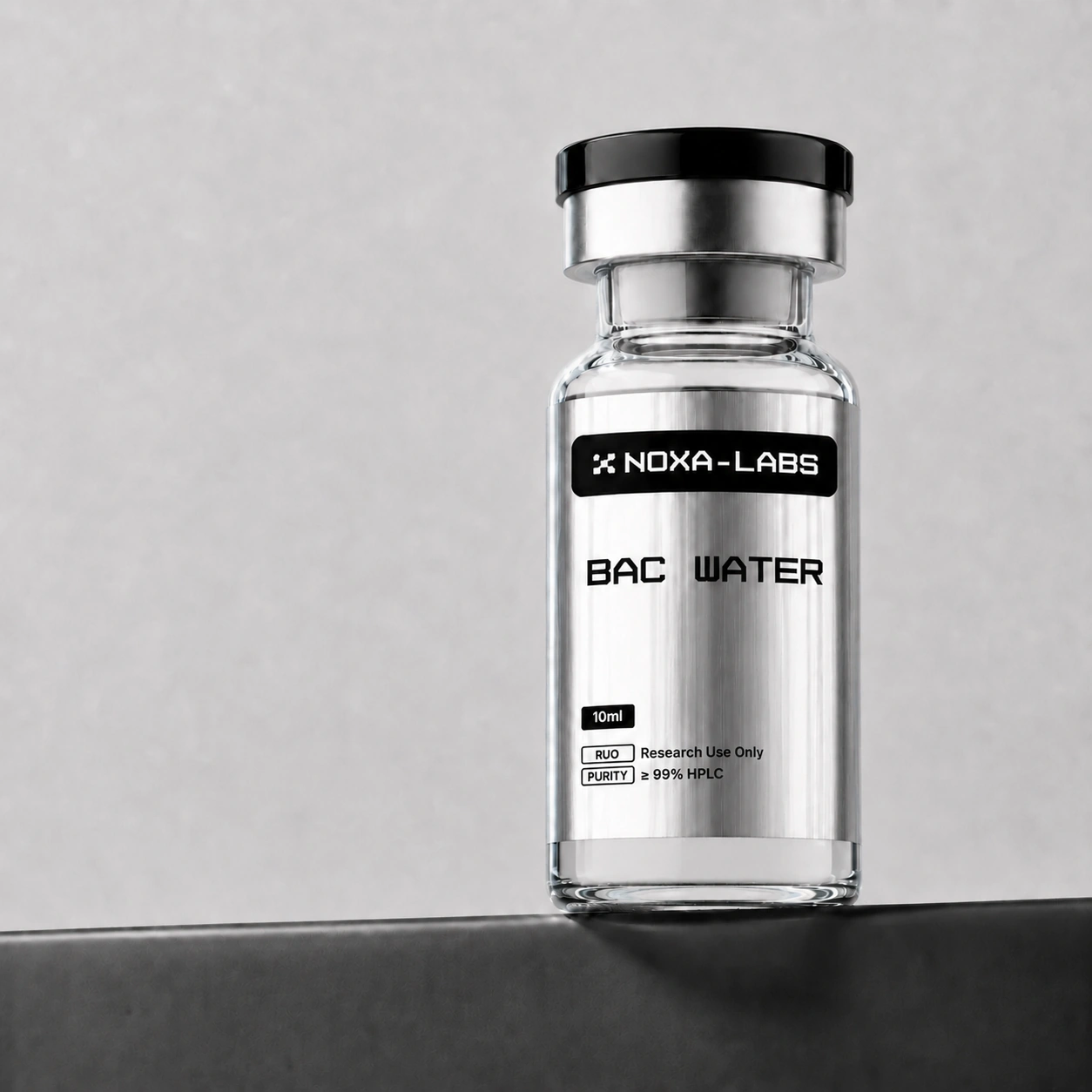
Reconstitute lyophilised retatrutide with bacteriostatic water at a working concentration appropriate to your assay. A common starting concentration is 5 mg/mL for a 10 mg vial reconstituted with 2 mL BAC water. Allow the vial to come to room temperature before reconstitution.
Storage & stability
Store lyophilised retatrutide at 2–8 °C. Reconstituted solution should be held at 2–8 °C and used within 4 weeks per typical batch COA guidance.
Availability in the Philippines
Retatrutide ships from Noxa Labs Metro Manila cold storage in 2–3 business days nationwide. Among our most-requested incretin analogues.
Frequently asked questions
All Noxa Labs products are supplied strictly as analytical reference materials for qualified in vitro research. They are not pharmaceutical products, food supplements, or substances for human or animal consumption.
Pair Retatrutide with these peptides
Verified compounds researchers commonly add to their workflow.

BAC Water
3 ml

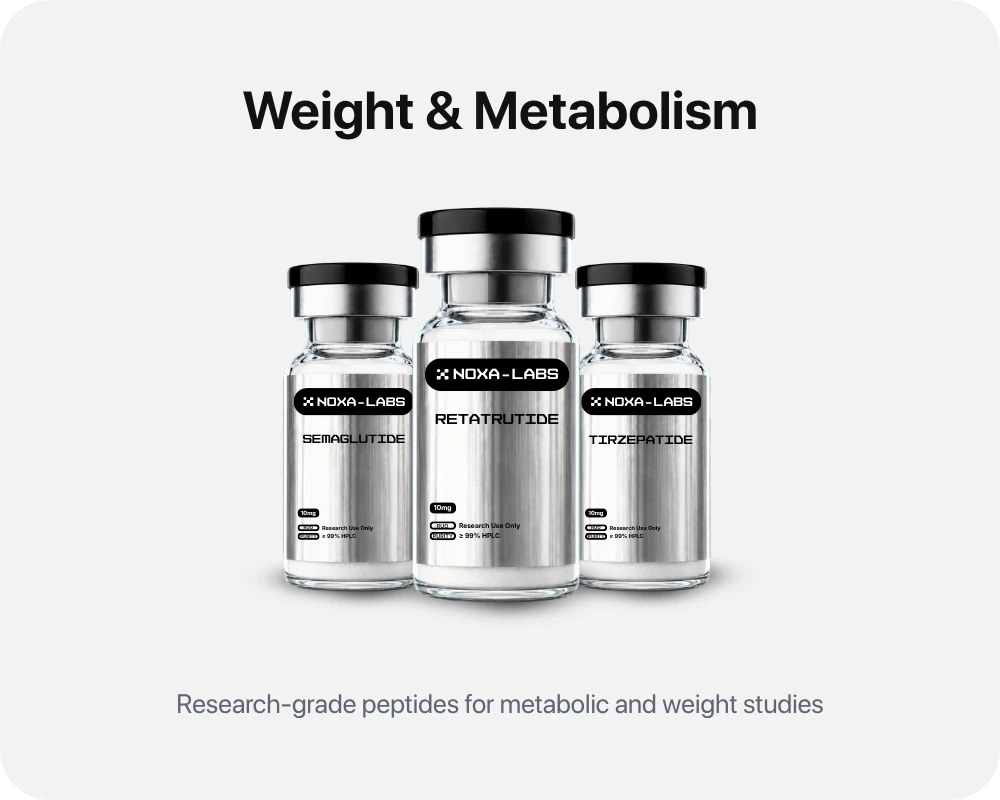
Semaglutide
10 mg

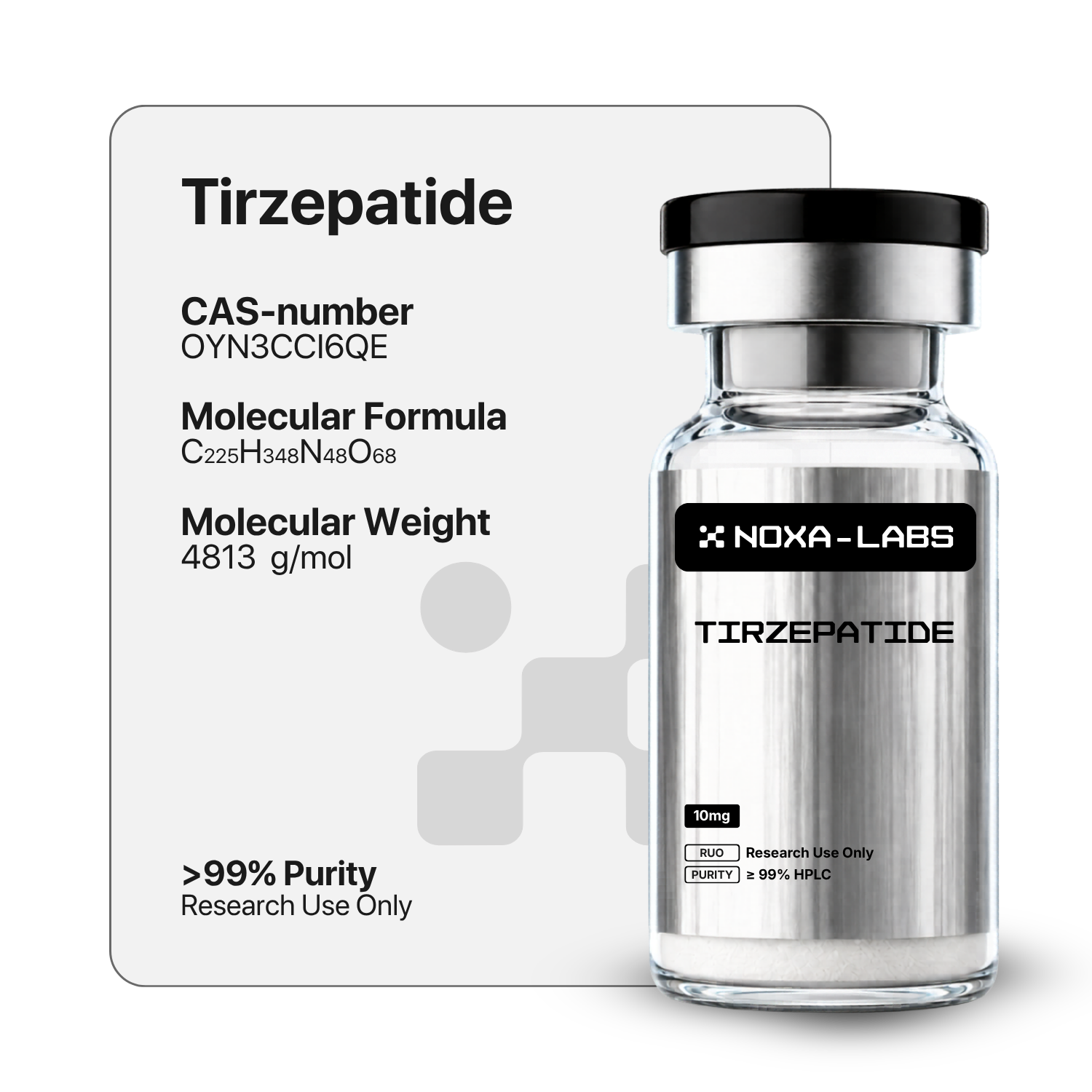
Tirzepatide
10 mg

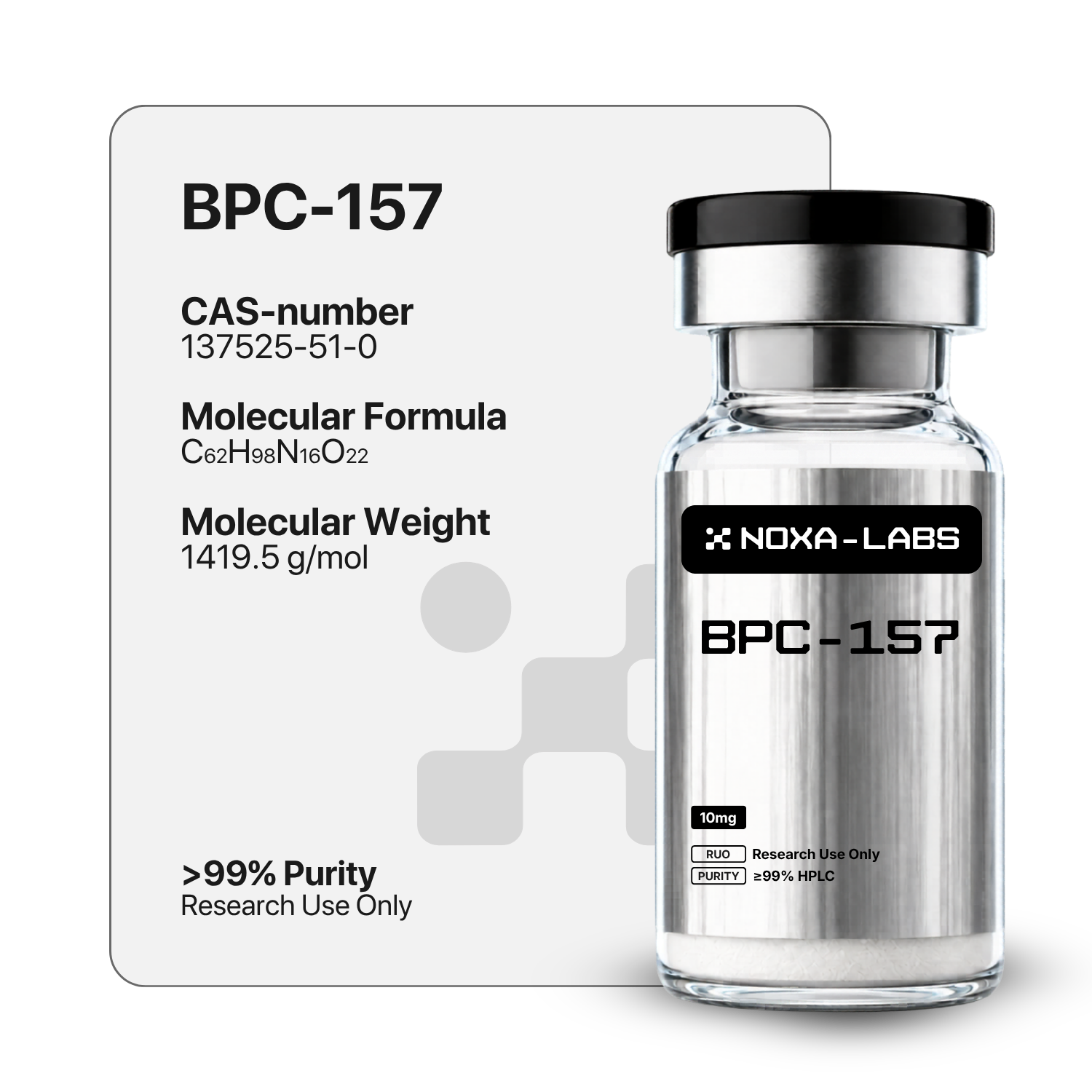
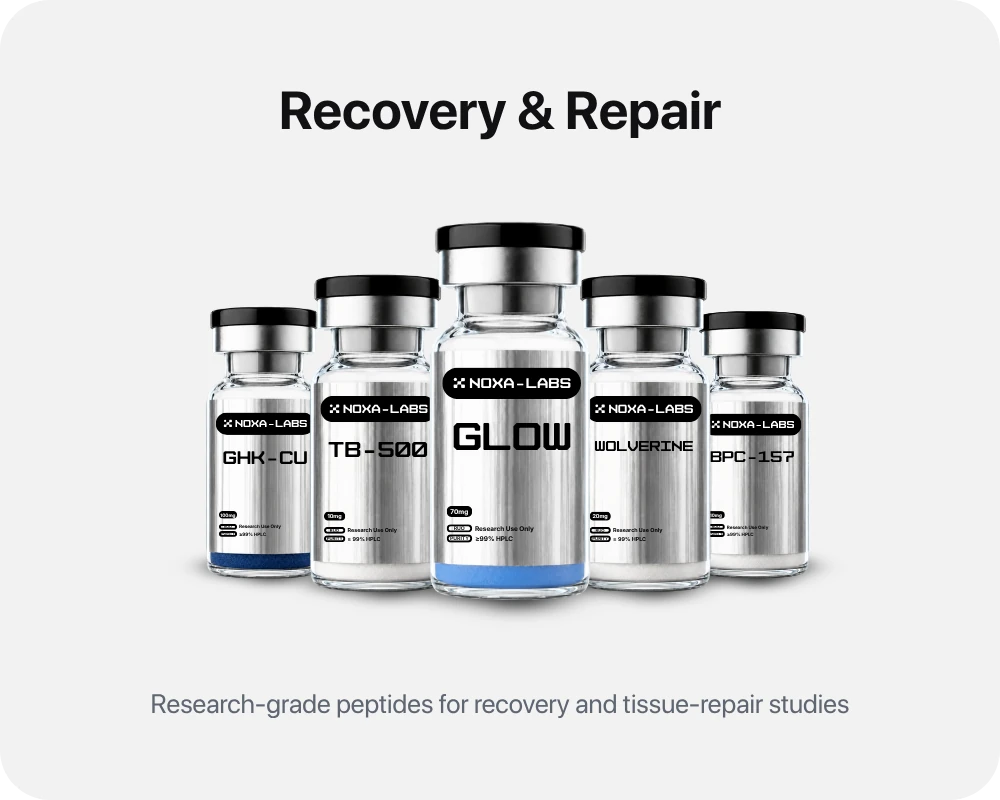
BPC-157
10 mg