




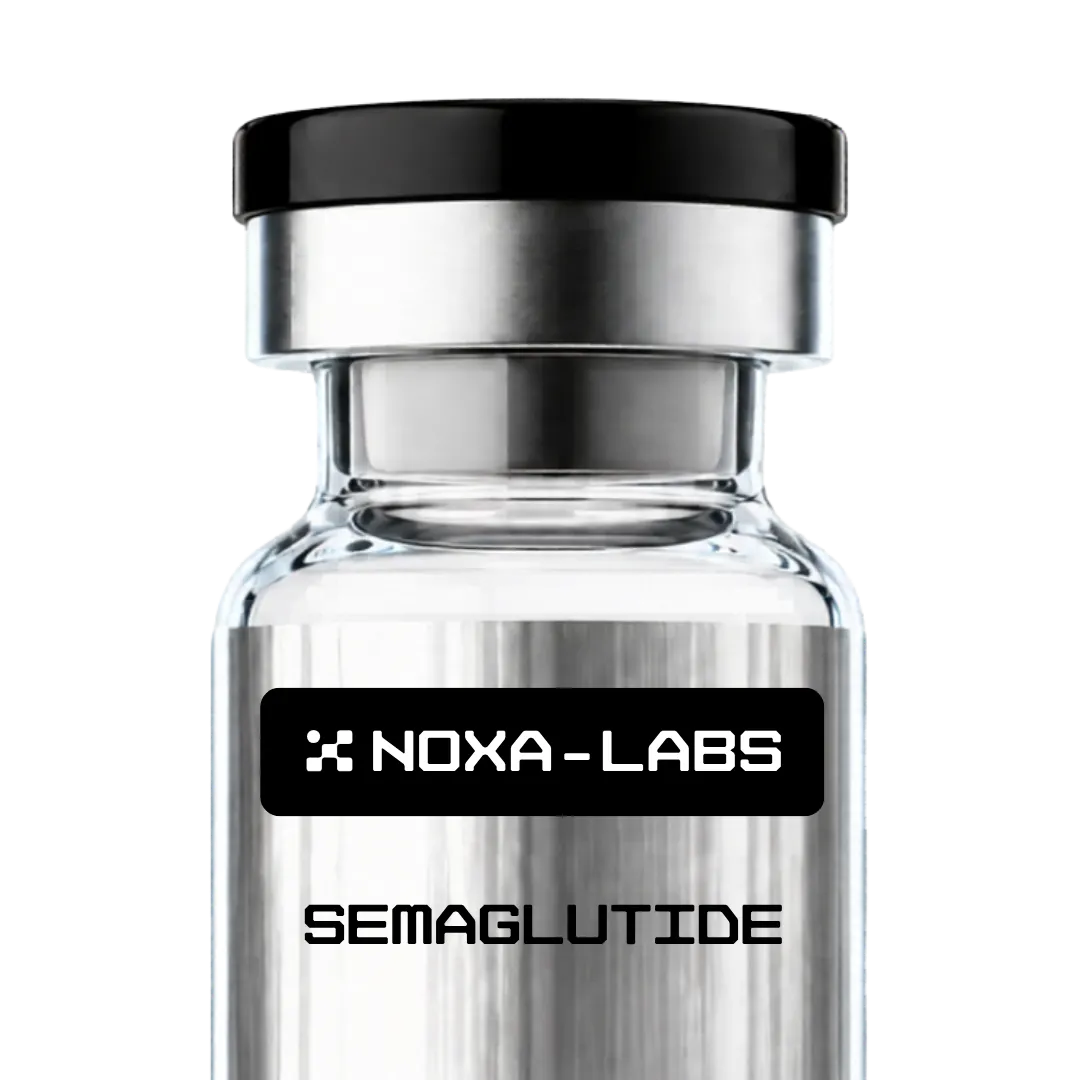
Semaglutide
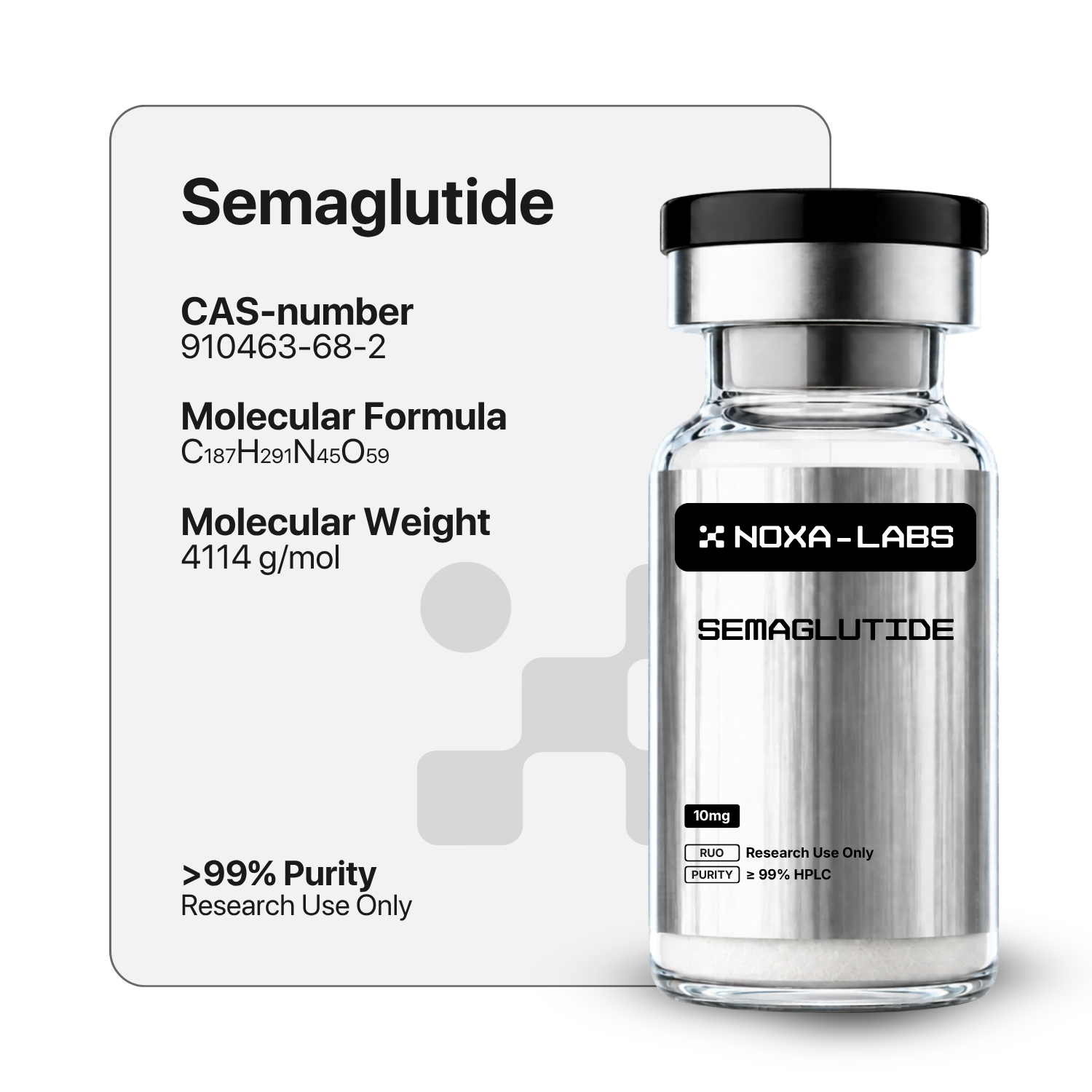
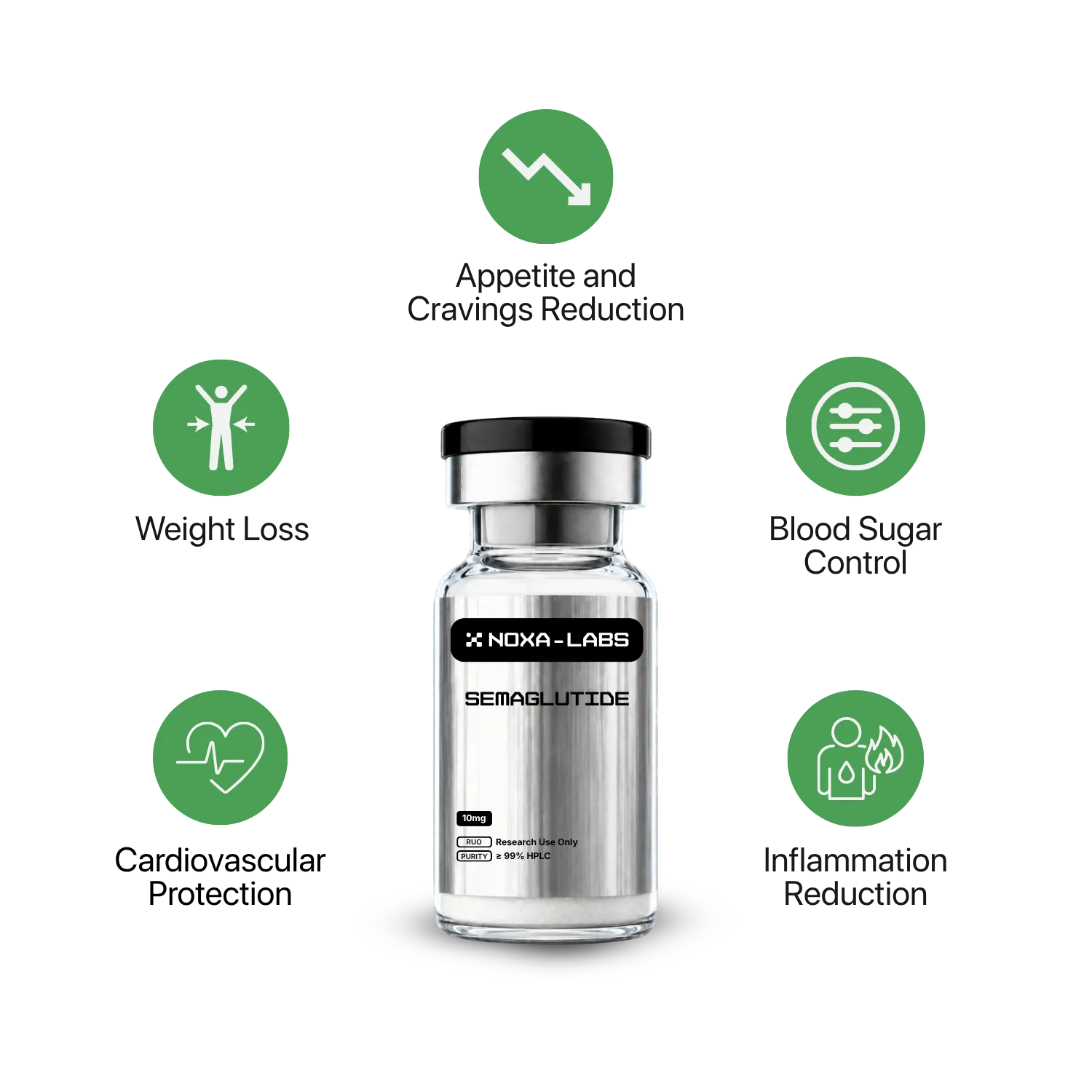
Semaglutide is a GLP-1 peptide studied for effective weight loss and blood-sugar control.
- Effective weight & fat loss
- Reduced appetite & cravings
- Improved blood-sugar control
- Better insulin sensitivity
- Supports overall metabolic health
Semaglutide is a GLP-1 peptide studied for effective weight loss and blood-sugar control.
- Effective weight & fat loss
- Reduced appetite & cravings
- Improved blood-sugar control
- Better insulin sensitivity
- Supports overall metabolic health

Money Back Guarantee
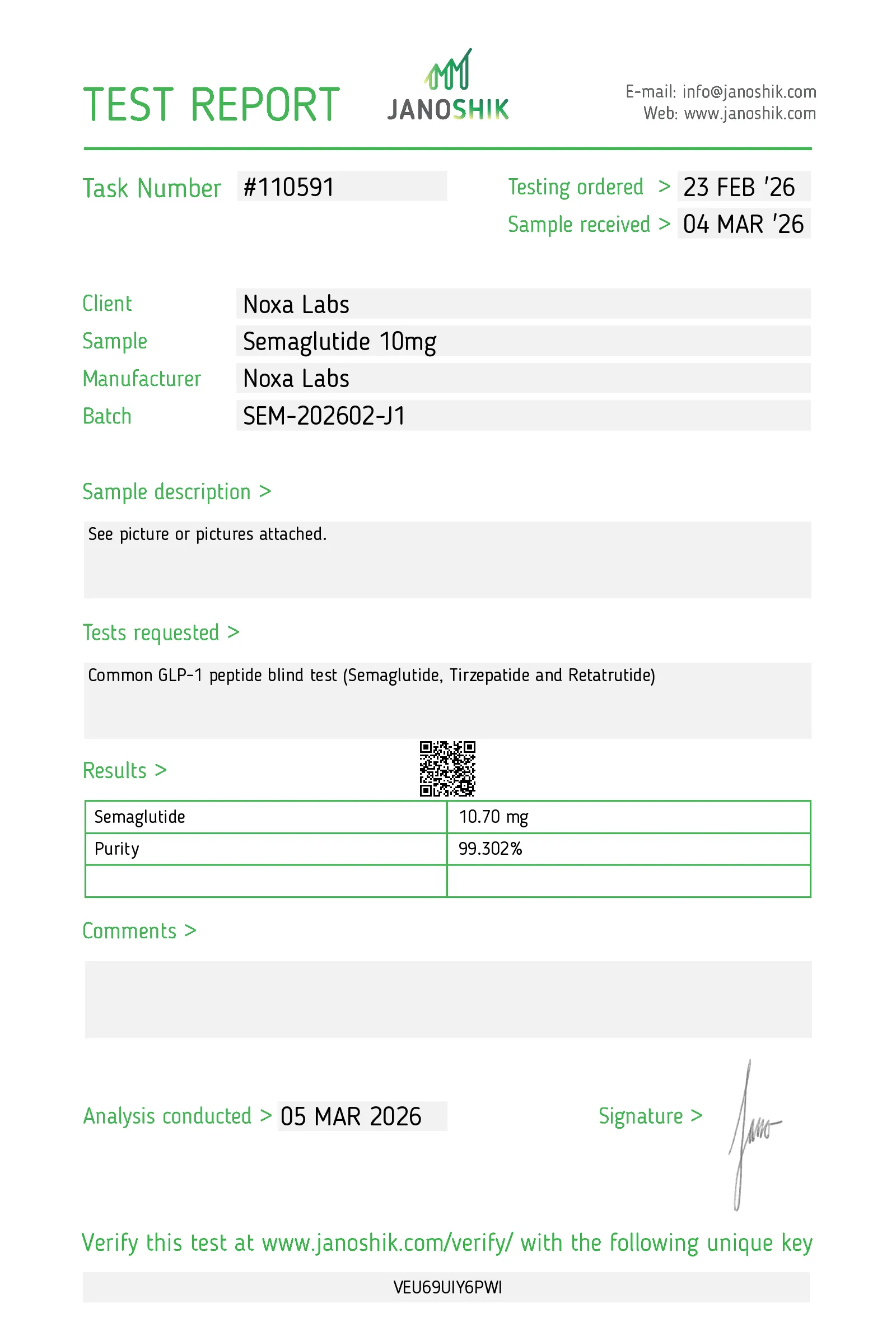
If a batch tests below 99% purity, full refund on your order + testing fees.
Money Back Guarantee
If a batch tests below 99% purity, full refund on your order + testing fees.
3D Structure
Drag to rotate · scroll to zoom · right-click to translate
- CCarbon
- HHydrogen
- NNitrogen
- OOxygen
- SSulfur
Known Synonyms
Identifiers
Molecular Formula
C187H291N45O59
InChIKey
DLSWIYLPEUIQAV-CCUURXOWSA-N
InChI
Computed Properties
3D Structure
Drag to rotate · scroll to zoom · right-click to translate
- CCarbon
- HHydrogen
- NNitrogen
- OOxygen
- SSulfur
Known Synonyms
Identifiers
Computed Properties
Semaglutide — Research Reference
A long-acting GLP-1 receptor agonist studied for glucose-dependent insulin secretion and appetite/weight reduction in research models.
What is Semaglutide?
Semaglutide is a 31-amino-acid GLP-1 receptor agonist and the benchmark long-acting incretin reference compound in metabolic research. Across published study models it is documented to potentiate glucose-dependent insulin secretion, suppress appetite and reduce body weight and adiposity, with effects sustained over days thanks to its engineering. Two amino-acid substitutions (Aib-8, Arg-34) plus a C18 fatty-diacid albumin-binding chain make it resistant to enzymatic breakdown and long-lived in solution. Noxa Labs supplies semaglutide as a third-party tested analytical reference material for in vitro research only. Note: this compound is supplied strictly as an analytical reference material for in vitro research by qualified professionals. It is not a pharmaceutical product, supplement, or substance for human or animal use.
Mechanism in research literature
The GLP-1 receptor is a class-B GPCR on pancreatic β-cells and several peripheral tissues. Semaglutide engages it to drive glucose-dependent insulin secretion in cultured β-cells while activating hypothalamic GLP-1R circuits that produce the appetite and body-weight readouts reported in rodent studies. The Aib-8 substitution blocks DPP-4 cleavage — the step that limits native GLP-1 to a ~2-minute half-life — and albumin binding extends receptor occupancy, so the literature uses semaglutide as a tool for studying sustained GLP-1R engagement and its biased Gαs-cAMP versus β-arrestin signalling. Reviews appear in Endocrine Reviews and Molecular Metabolism; citations are linked in the Studies tab.
Documented research applications
Documented research contexts include pancreatic β-cell electrophysiology, GLP-1R signalling-bias assays, DPP-4-resistance characterisation, adipocyte and hepatocyte metabolism, and pharmacokinetic profiling — with insulin secretion, weight/adiposity and receptor-occupancy endpoints throughout. Researchers studying multi-receptor incretin pharmacology often run semaglutide alongside tirzepatide (dual GIP/GLP-1) and retatrutide (triple GIP/GLP-1/glucagon); Noxa Labs supplies all three as analytical reference materials.
Reconstitution
Reconstitute lyophilised semaglutide with bacteriostatic water. A common working concentration is 2 mg/mL: add 2 mL BAC water to a 4 mg vial. Direct the diluent against the vial wall and swirl gently to dissolve.
Storage & stability
Lyophilised semaglutide is stable at 2–8 °C for extended periods. Reconstituted semaglutide should be stored refrigerated at 2–8 °C and used within 4 weeks per the typical stability window noted on COAs.
Availability in the Philippines
Semaglutide ships nationwide from Noxa Labs Metro Manila cold storage in 2–3 business days. Same-day NCR dispatch on Mon–Fri orders before 2 PM PHT.
Frequently asked questions
All Noxa Labs products are supplied strictly as analytical reference materials for qualified in vitro research. They are not pharmaceutical products, food supplements, or substances for human or animal consumption.
Stack more. Save up to 25%.
Mix any vials — bigger stack, bigger discount.